An implant definition is simple: a dental implant is a small titanium post placed in the jaw to replace a missing tooth root and support a natural-feeling replacement tooth. This post, plus the connector and crown, restore chewing, speech, and the look of your smile. This guide explains the implant definition, how implants work, who they help, common procedures, benefits and risks, recovery basics, and when to see a specialist.
What Is an Implant? A Simple Implant Definition
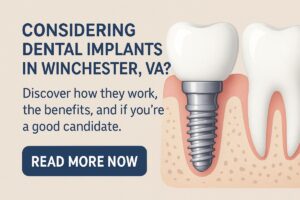
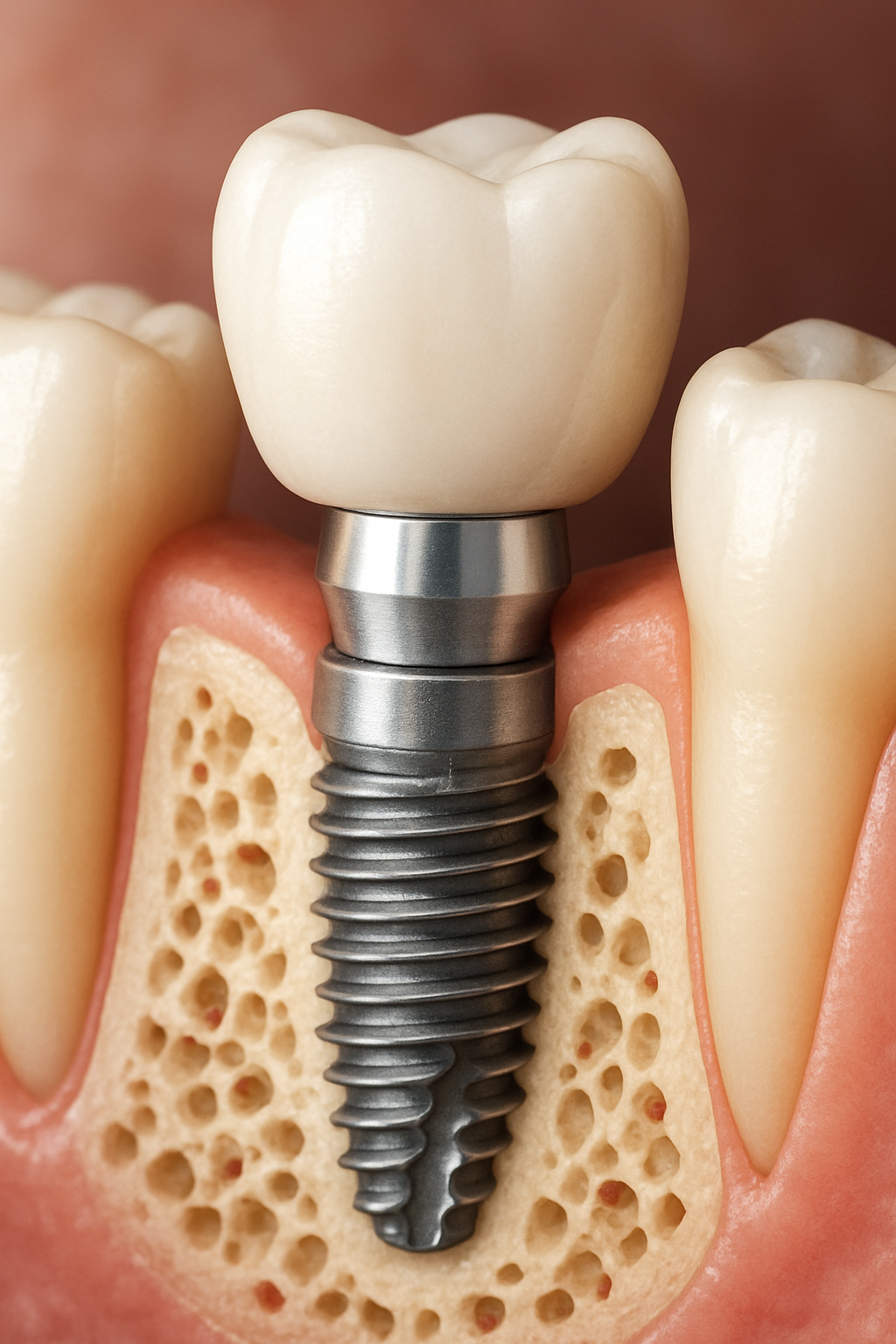
A dental implant is a three-part system: the titanium implant or post that goes into the jawbone, the abutment that connects the post to the tooth, and the crown (the visible tooth). The goal is to replace a missing tooth with a stable, long-term solution that looks and functions like a natural tooth.
How Dental Implants Work
Osseointegration: Bone Meets Implant
Osseointegration is the process where the jawbone grows around the titanium implant and bonds to it. This creates a strong anchor and helps prevent the bone loss that happens after a tooth is lost. Good bone contact is key to long-term stability.
Typical Timeline
Typical steps include: initial consultation and imaging, implant placement, a healing period for osseointegration (often 3–6 months), attachment of the abutment, and placement of the crown. Some cases use immediate or same-day crowns, but many follow the standard healing timeline for the best chance of success.
Who Is a Good Candidate?
Good candidates are generally healthy adults with controlled gum disease, enough jawbone volume, and no uncontrolled medical issues. Smoking, uncontrolled diabetes, or severe bone loss can affect success. Pre-treatments like bone grafting or periodontal therapy may be needed to create a healthy foundation for implants.
Common Implant Procedures and Technologies
Single Implants vs. Implant-Supported Bridges and Dentures
A single implant replaces one tooth. Implant-supported bridges use implants to replace several teeth without needing a natural tooth on each end. Implant-supported dentures and All-on-4 replace an entire arch using multiple implants for a fixed or removable prosthesis.
When Bone Grafting or Sinus Lifts Are Needed
Bone grafting rebuilds lost jawbone to support an implant. A sinus lift raises the sinus floor to add bone in the upper jaw. These procedures create enough bone height and density for a secure implant and improve long-term results.
Benefits and Risks
Benefits: strong chewing ability, natural appearance, preservation of jawbone, and long-lasting results. Risks: infection, implant failure, nerve or sinus injury, and poor prosthetic fit. Risks are reduced by good oral hygiene, proper planning, and experienced clinicians.
What to Expect During Recovery and Long-Term Care
Expect mild to moderate swelling and soreness for a few days after surgery. Follow post-op instructions, avoid smoking, and eat soft foods as directed. Long-term care includes daily brushing and flossing, regular dental checkups, and periodic professional cleanings.
When to Talk to a Specialist
See a specialist if an implant feels loose, causes ongoing pain, or the crown doesn’t fit right. Periodontists specialize in implants, bone grafting, and soft-tissue health and can handle complex cases for better outcomes.
About NOVA Perio Specialists and Their Implant Services
NOVA Perio Specialists provides comprehensive implant and periodontal care across Northern Virginia with offices in Sterling, Leesburg, and Aldie. Their board-trained and highly trained periodontists offer implant placement, All-on-4, bone grafting, sinus lifts, and soft-tissue procedures, with financing and patient-focused planning.
Next Steps / Call to Action
If you want a personal implant definition for your mouth, request a consultation to review options and costs. NOVA Perio Specialists can evaluate your health, imaging, and goals to build a predictable treatment plan and discuss insurance and financing. With proper planning, implants can restore function and confidence.