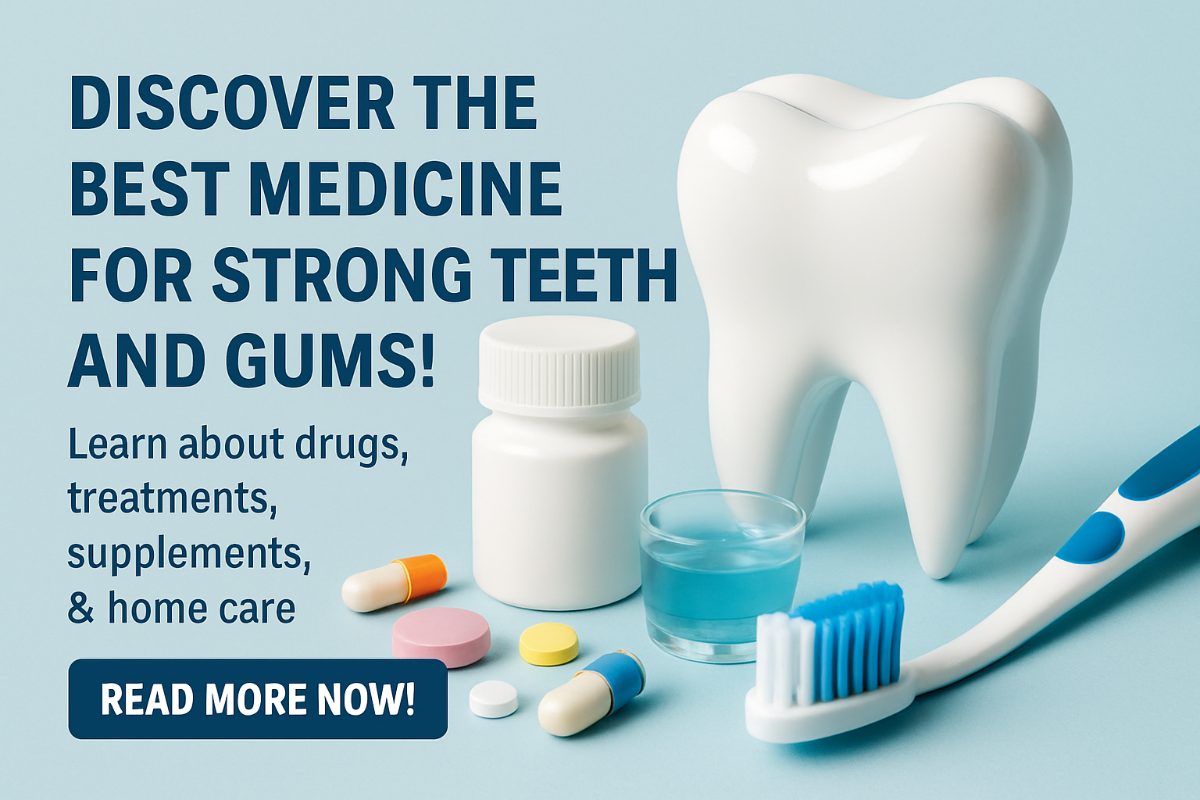
Looking for the best medicine for strong teeth and gums? This guide explains what “medicine” means for oral health and covers proven prescriptions, clinical treatments, over-the-counter products, supplements, and simple home-care steps. You’ll learn when a prescription is needed, which products help protect enamel and control infection, and practical next steps to maintain healthy teeth and gums in Sterling, Virginia.
This guide is for people who want clear, actionable advice—whether you’re managing bleeding gums, avoiding cavities, or supporting healing after periodontal care. Read on for treatments dentists use, supplements that help, and when to get urgent care.
What does “medicine” mean for oral health?
“Medicine” for oral health includes a range of items and clinical actions that reduce infection, control inflammation, and strengthen enamel. That range covers:
- Prescription drugs (antibiotics, topical steroids, prescription fluoride).
- Topical antimicrobials and antiseptic rinses.
- Fluoride treatments (in-office varnish or gels and home toothpaste).
- OTC products like ADA‑approved mouthwashes, desensitizing pastes, and xylitol gum.
- Dietary supplements that support bone and gum tissue (vitamins, minerals, omega‑3s).
Together, these medicines and products help control the bacteria that cause gum disease, reduce harmful inflammation, and support the mineral strength of tooth enamel.
Top proven clinical medicines and treatments
Fluoride (professional and home use)
Fluoride helps remineralize enamel and makes teeth more resistant to decay. Professional fluoride comes as varnish or high‑concentration gels applied at the dental office. Daily fluoride toothpaste (1,000–1,500 ppm) is the baseline; dentists may prescribe stronger fluoride toothpaste or mouth rinse for high‑risk patients. Use prescription fluoride as directed—overuse can cause sensitivity or cosmetic changes in children.
Antimicrobial mouthwashes (e.g., chlorhexidine)
Chlorhexidine and similar antiseptic rinses control bacteria and are commonly used short‑term after periodontal procedures or to treat gingivitis. They reduce plaque and bleeding but can cause tooth staining, altered taste, and should not be used long term without provider oversight.
Antibiotics for active infections
Dentists prescribe antibiotics for acute dental abscesses, spreading infections, or certain periodontal flare‑ups. They are not a substitute for drainage, root‑canal treatment, or proper periodontal therapy. Common agents include amoxicillin (often with clavulanate) and metronidazole; typical courses range from 5–10 days depending on severity. Always take the full prescribed course and discuss allergies or other medications with your provider.
Topical steroid rinses and prescription gels
Topical steroids or prescription anti‑inflammatory gels are used for severe inflammation or immune‑mediated oral conditions under specialist care. These medicines reduce painful swelling but require monitoring for side effects and are usually short term.
Vitamins, minerals, and supplements that support strong teeth and gums
Supplements can support tissue repair and bone health but do not replace dental treatment. Key options include:
- Vitamin D and calcium — support jawbone health and implant success.
- Vitamin C — important for gum tissue repair and reducing bleeding.
- Vitamin K2 — helps place calcium into bone rather than soft tissues.
- Omega‑3 fatty acids — reduce chronic inflammation linked to periodontal disease.
- Probiotics and xylitol — support a healthier oral microbiome and reduce cariogenic bacteria.
Talk to your dentist or physician before starting supplements, especially if you take blood thinners or other chronic medications.
Effective over-the-counter products
Consistent use of the right OTC products helps lower plaque and strengthen enamel to support healthy teeth and gums. Useful choices include:
- Fluoride toothpaste (daily and prescription-strength options).
- ADA‑approved antimicrobial mouthwashes for short‑term use.
- Xylitol gum to reduce cavity‑causing bacteria after snacks.
- Desensitizing pastes for sensitive teeth containing potassium nitrate or stannous fluoride.
- Interdental cleaners and floss to remove plaque between teeth.
Non-medicine clinical care that enhances results
Medicines work best when combined with clinical care that removes the cause of disease. Key procedures include scaling and root planing, periodontal maintenance cleanings, gum grafting to cover recession, osseous surgery to reshape bone, and bone grafting for implant sites. Treating plaque and periodontal disease is often more important than any single medication for long‑term results.
How to choose the best medicine for you
Always consult a dental professional for diagnosis. A periodontist or dentist will consider your medical history, drug interactions, and the underlying cause before prescribing. Avoid long‑term self‑prescribing of antibiotics or antiseptics.
Red flags that need urgent care:
- Rapidly increasing swelling, fever, or spreading redness.
- Severe, uncontrolled pain or difficulty breathing/swallowing.
- Loosened or shifting teeth with pus or ongoing drainage.
How NOVA Perio Specialists can help
NOVA Perio Specialists provides periodontal diagnosis, prescription management, scaling and root planing, gum surgery, and implant/restorative coordination. The team evaluates the causes of weak teeth and gum disease and recommends treatments that combine medicines, clinical procedures, and long‑term maintenance. The practice serves patients across Sterling, Leesburg, and Aldie, and offers financing and sedation options for comfort and access to care.
- Use fluoride toothpaste daily and consider prescription fluoride if you have high decay risk.
- Floss or use interdental cleaners every day to lower plaque.
- Chew xylitol gum after snacks to reduce cavity risk.
- See a dentist or periodontist for persistent bleeding, pain, or loose teeth.
- Follow any prescriptions exactly and finish antibiotic courses when prescribed.
To protect and maintain healthy teeth and gums in Sterling, Virginia, schedule an exam with a periodontist for personalized recommendations and a care plan tailored to your needs.