
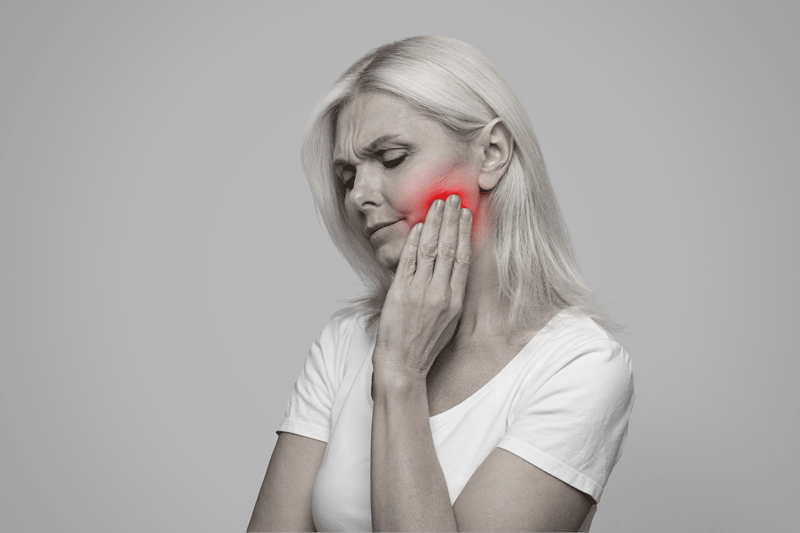
Gum line recession, or gingival recession, is a condition where the gum tissue surrounding the teeth pulls back or wears away, exposing more of the tooth or its root. This issue can have serious oral health implications, as it creates gaps between the teeth and gums, providing an ideal environment for harmful bacteria to thrive. Left untreated, gum recession can lead to tooth decay, sensitivity, and even tooth loss.
Healthy gums are essential for protecting teeth, and gum recession compromises this barrier, making it crucial to understand its causes, symptoms, and available treatments.
Causes and Symptoms of Gum Recession
Gum recession can result from various factors. Periodontal diseases, which are infections of the gum tissue, are one of the most common causes. These infections gradually damage the support structures of your teeth, leading to gum recession. Overzealous brushing, particularly with a hard-bristled toothbrush, can also wear down enamel and push back the gums.
Hormonal changes, such as those experienced during puberty, pregnancy, or menopause, can make gums more sensitive and prone to recession. Additionally, tobacco use increases the likelihood of plaque buildup, which contributes to gum issues over time.
Symptoms of gum recession include tooth sensitivity, visibly exposed tooth roots, and the appearance of elongated teeth. While these signs can be subtle at first, regular dental check-ups are essential to detect and address gum recession in its early stages.
How Tooth Erosion at the Gum Line Happens
Tooth erosion at the gum line occurs when the hard outer enamel and the softer root surface gradually wear away.
Common causes include:
-
Acid erosion from soda, citrus juices, sports drinks, or acid exposure due to medical reflux (GERD).
-
Mechanical wear such as aggressive brushing with a hard-bristled toothbrush or long-term grinding/clenching (bruxism).
-
Chemical and biologic factors, including acidic medications, plaque acids from bacteria, and low saliva flow, which accelerate damage and expose the root surface.
Early Warning Signs
Keep an eye out for:
-
Shallow notches or cupping near where the tooth meets the gum
-
A translucent or noticeably thin band of enamel at the gum line
-
Visible root exposure
-
Increasing sensitivity to hot, cold, or sweet foods
-
Changes in tooth shape or flat worn areas at the cervical (gum line) region
Checking your teeth in bright light while brushing can help you spot these changes early, when treatment is more effective and less costly.
Who Is at Higher Risk
-
Frequent drinkers of acidic beverages (soda, citrus, energy drinks)
-
Individuals with GERD or frequent vomiting
-
People who grind or clench their teeth (bruxers)
-
Aggressive brushers, especially those using hard-bristled brushes
-
Older adults with thinner enamel or reduced saliva flow
-
Tobacco users, who often have altered saliva and hygiene habits
If you notice tooth erosion at the gum line in Sterling, VA, schedule an exam to confirm the cause and prevent further progression.
Daily Habits That Protect the Gum Line
To reduce the risk of erosion:
-
Use a soft-bristled toothbrush and gentle circular brushing motions.
-
After consuming acidic foods or drinks, wait 30–60 minutes before brushing to allow enamel to reharden.
-
Rinse with plain water to neutralize acids.
-
Limit acidic beverages, or drink them through a straw.
-
Chew sugar-free gum to stimulate saliva production.
-
Use fluoride toothpaste or a remineralizing product daily to strengthen enamel near the gum line.
At-Home Products That Help
Helpful options include:
-
Fluoride rinses or gels to strengthen enamel
-
Desensitizing toothpastes for sensitivity relief
-
Remineralizing pastes or varnishes, available OTC or from your dentist
-
Custom nightguards for people who grind their teeth, protecting roots from wear
Follow all product directions and consult your dentist to ensure each option suits your needs.
When to Seek Professional Care
See a dentist if:
-
Sensitivity persists
-
You see notches or exposed roots
-
Home care doesn’t improve symptoms
A professional exam can identify causes such as acid reflux or bruxism. Early in-office treatments may include fluoride varnish, professional remineralization, or bonding to restore lost tooth structure. These minimally invasive options are preferred before considering surgical gum or restorative procedures.
Treating Gum Line Recession in Sterling, VA
Treating gum recession depends on its cause and severity. For mild cases, improving oral hygiene habits—such as switching to a soft-bristled toothbrush and adopting proper brushing techniques—can stop the condition from progressing. Scaling and root planing, a deep cleaning procedure, may also be recommended to remove plaque and tartar from below the gum line.
For more advanced cases, surgical intervention may be necessary. Gum grafting is a common surgical treatment that involves taking tissue from another part of the mouth and attaching it to the affected area. This restores the protective gum barrier and prevents further damage.
Personalized Care for Gum Recession
Our team specializes in diagnosing and treating gum line recession. We take a personalized approach, tailoring treatment plans to each patient’s specific needs. From early detection to advanced surgical options, our goal is to restore and maintain your oral health.
If you’ve noticed symptoms of gum recession, such as increased tooth sensitivity or visible roots, don’t wait for the condition to worsen. Early intervention can prevent long-term damage and protect your smile.
Are you ready to restore your smile with dental implants at our skilled and trusted dental practice? Don’t wait to get the smile of your dreams with us. Get in contact with our doctor, Dr. Jean-Claude Kharmouche and our exceptional team at our practice to schedule an appointment today!

